The Seal of the US President holds a significant place in American history, representing the power and authority of the executive branch of the government. It is not just a mere emblem; it encapsulates the ideals and values upon which the nation was founded. This article delves into the history, design, and significance of the Presidential Seal, exploring its evolution and the role it plays in the American political landscape.
The Presidential Seal has been a vital part of the United States' governance since the early days of the republic. It serves as a reminder of the responsibilities and duties of the President, acting as a constant symbol of the American people's trust in their leader. Beyond its aesthetic appeal, the seal embodies the principles of democracy, sovereignty, and national pride.
In this comprehensive exploration, we will dissect the various elements of the seal, uncover its origins, and discuss its impact on both domestic and international fronts. This article aims to provide a thorough understanding of why the Seal of the US President is more than just an insignia; it is a cornerstone of American democracy and a representation of the nation's heritage.
Table of Contents
History of the Presidential Seal
The concept of a seal for the President of the United States was first introduced in the 18th century. The Continental Congress adopted a seal for the United States in 1782, which featured the bald eagle as a symbol of freedom and strength. However, it was not until presidential administrations began to formalize their use of seals that the Presidential Seal, as we know it today, emerged.
Design Elements of the Seal
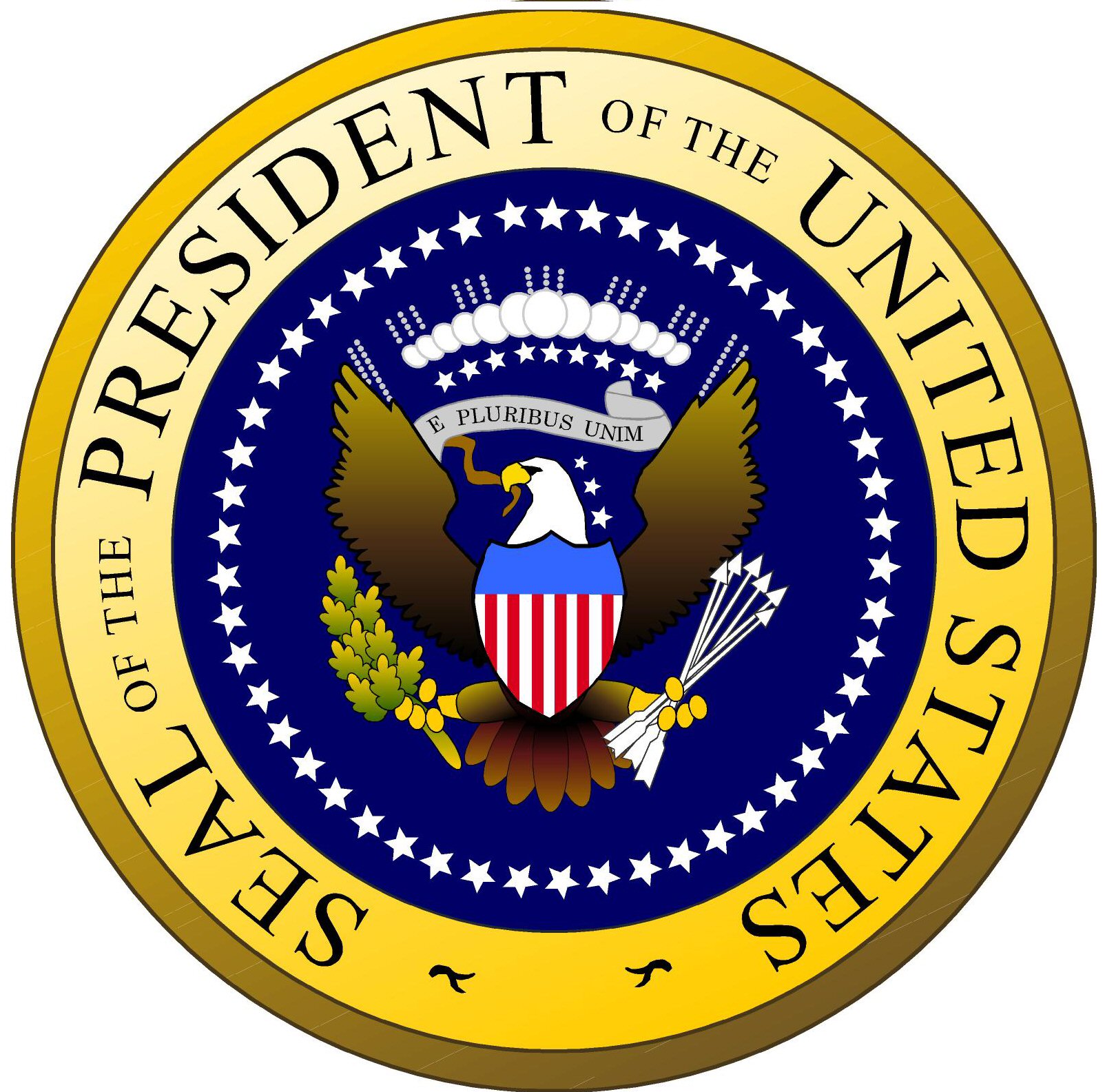
The Seal of the US President is rich in symbolism, each element carefully chosen to represent the values and ideals of the nation. The primary components of the seal are the bald eagle, the shield, and the olive branches. Here we will explore these key design elements in detail.
The Bald Eagle
The bald eagle has been a symbol of the United States since its founding. In the context of the Presidential Seal, it represents strength, courage, and independence. The eagle is depicted looking to the right, signifying the nation's peace and readiness to defend its values.
The Shield
The shield on the eagle's chest features 13 stripes, representing the original 13 colonies. This design serves as a reminder of the nation's roots and the unity that binds its citizens together. The blue chief symbolizes the federal government and the unity of the states.
Evolution of the Seal
Throughout history, the Presidential Seal has undergone several changes, reflecting the evolving nature of the presidency and the nation itself. The first official seal was adopted in 1850, though earlier versions existed in various forms. The seal has been modified to adapt to changing political climates and societal values, ensuring its relevance across generations.
Official Usage of the Presidential Seal
The Presidential Seal is used in a variety of official contexts, including on documents, speeches, and the podium during press conferences. Its presence signifies the authority of the President and the importance of the message being conveyed. Additionally, the seal is prominently displayed during state occasions, reinforcing its status as a symbol of American leadership.
Significance of the Seal
The significance of the Presidential Seal extends beyond its physical representation. It embodies the trust placed in the President by the American people, serving as a reminder of the responsibilities that come with the office. The seal also plays a crucial role in diplomatic relations, representing the United States on the world stage.
Controversies Surrounding the Seal
Despite its revered status, the Presidential Seal has not been without controversy. Various administrations have faced criticism over the use of the seal, particularly in relation to its representation of power and authority. Discussions about the seal often touch on broader themes of governance, accountability, and the role of the presidency in modern democracy.
Current Presidential Seal
As of today, the current Presidential Seal remains a powerful symbol of American governance. It continues to evolve, reflecting the values and priorities of contemporary leadership while remaining rooted in historical significance. The seal's design and usage are carefully regulated to ensure its integrity and importance as a symbol of the United States government.
Conclusion
In summary, the Seal of the US President is a multifaceted symbol that embodies the history, values, and responsibilities of the presidency. Its design elements, historical evolution, and official usage highlight its significance in both domestic and international contexts. As a representation of American ideals, the seal serves as a reminder of the trust placed in the President by the people and the ongoing commitment to democracy.
We invite you to share your thoughts on the Presidential Seal and its impact on American governance in the comments below. If you found this article informative, consider sharing it with others who may be interested in the rich history of the United States.
Thank you for reading! We look forward to seeing you back on our site for more insightful articles.

ncG1vNJzZmivp6x9cnrNsppnnJ9ju6LA1KuYpaGeqXuku8xoq6GdXZl7pHnAoJynnJFkwamxjKycmqRdpLNuwMeeZK6rXaW%2Fpr%2FInZynrF6dwa64